
AMPHITILIA
The Natural Home For Reptiles And Amphibians
AMPHITILIA (am-fee-til-ee-uh) derives from the latin Amphibia (amphibians) and Reptilia (reptiles) and is an expansive digital magazine that explores all things in the reptile and amphibian community.
We aim to bring a better understanding and renewed love for our slippery, scaley and scute-driven creatures through interactive and picturesque settings.
They are, naturally, silent stoic beings and so we have a duty to give them, their prey and any invertebrate they cohabit, a voice that resonates towards their survival.
Here, a creative twist to husbandry, conservation and research takes a slithering advancement.
ISSUE 3
WE are very lucky to be able to adopt and care for most non-native herpetiles in the UK.
So much so, we believe it is our duty to choose terms that better represent them and us in the herpetile carer community.
Here is a list of word alternatives to turn the tide of negative media attention:
- Herpetiles >
Reptiles and Amphibians - Carer, care or looking after, stewardship >
Owner, Keep, Keeper - Animal >
Pet - Herpetile or Herp Community or Sphere >
Reptiles And Amphibian Hobbyists or Keepers - Husbandry, stewardship >
Hobby - Home or habitat >
enclosure, tank, cage etc. - Ex-situ (out of natural habitat) >
Captive
The above changes are more positive, promote our public identity, user-friendly and herp-friendly.
Our important decision, to properly look after these amazing, long-living animals, needs better representation through effective semantics.
Similarly, it allows us to take pride in our care and encourages some scientific backing to empower our above and beyond husbandry.
Moving on swiftly, we start proceedings with another fun, location-based game to test your knowledge of species from North America.
A detailed 10 step guide, on how to adopt a scaly friend for life, is the next trip we'll take. This will be the time to uncover hidden passions and go down sentimental avenues.
Then we uncover another journey into a tropical forest to play another game involving husbandry and species ID.
Throughout this issue, you’ll find our signature themes of key information with eye-catching visuals. Content showcasing the beauty and fascination for each animal and their home.
Visiting the International Herpetology Society Breeders Meeting on 7th June, 2026, was an eye-opening experience.
It was a nice shock to see how many people are attracted to reptile and amphibian husbandry in the UK.
I would love to see their adopted friends in ex-situ habitats, to further compare and contrast our experiences of care, together.
We believe the admiration can spread to the mainstream audience through education and fun interactions.
If we can empower and educate people on good animal welfare then we'd regard this publication as a triumph.
It is difficult to see an animal and their home not looking the best it can be. A natural habitat, that will allow a herpetile to exhibit wild behaviours, is required..
Unfortunately, there is no perfect home from home, but we can do our best to mimic those surroundings with better research and time/money spent wisely.
Anyway, we hope you enjoy this publication and find enlightenment in your AMPHITILIA care practices.
Thanks for reading!
Yours Sincerely,
Scott Lockhart
Editor-in-Chief
On Location - North America: Guess The Herpetile
Name Our Critically Endangered Hard-Shelled Friend, Endemic To Mexico? (Scroll Down To Reveal Answer)
The Bolson Tortoise ! (Gopherus flavomarginatus)
Fun Facts: The largest tortoise in North America and lives in a region of the Chihuahuan Desert called the Bolsón de Mapimí.
© Jose Antonio Aranda Pineda
© Jose Antonio Aranda Pineda
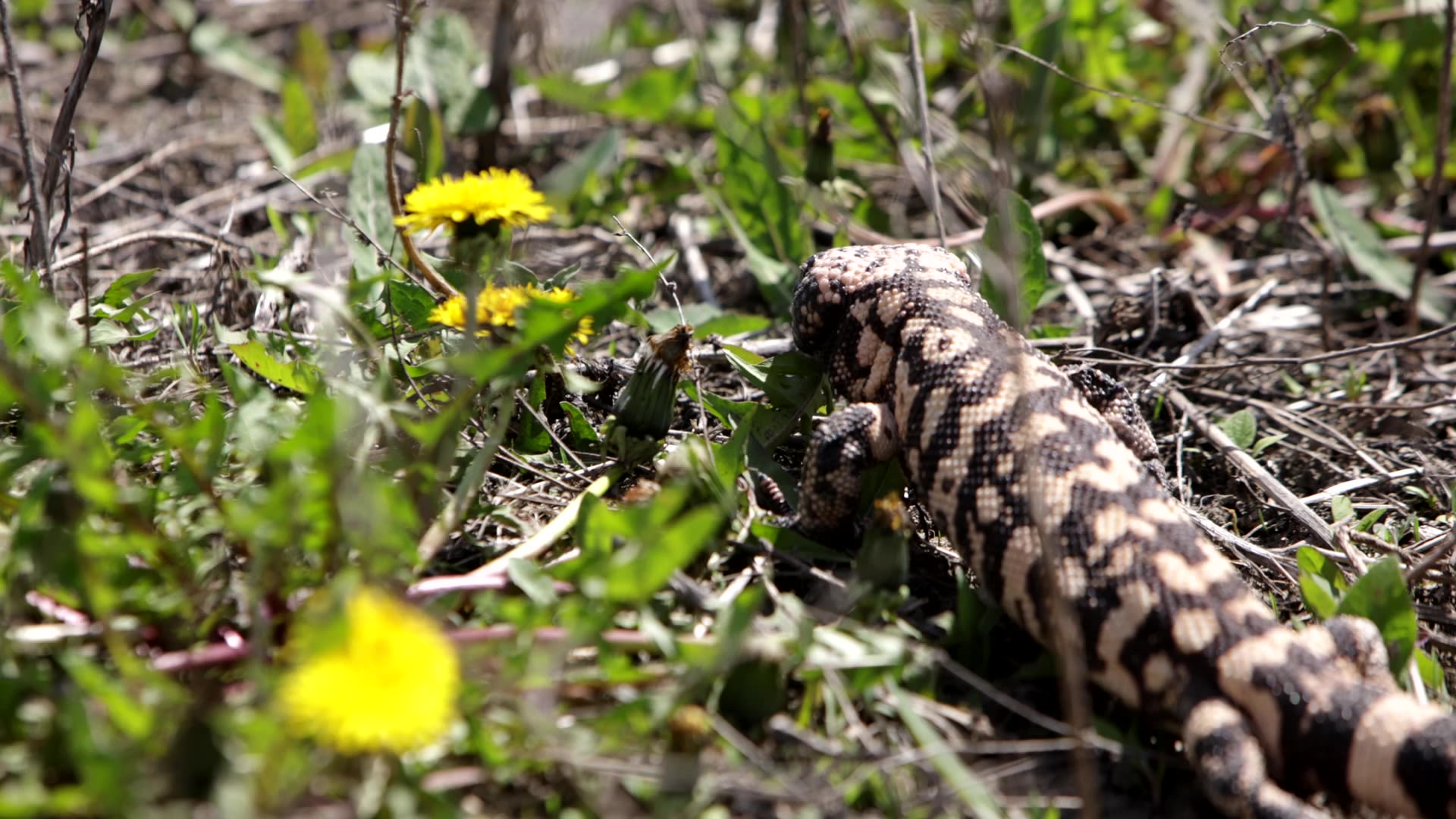
Name The Largest, Venemous North American Lizard?(Scroll Down To Answer)
The Gila Monster! (Heloderma suspectum)
Fun Facts: They live in 3, out of 4, North American Deserts (Sonoran, Chihuahua and Mojave) and spend the majority of their lives underground in burrows.
Name The Lizard Native To The Island Of Bermuda? (Scroll Down To See Answer)
The Bermuda Skink
Fun Facts: Critically endangered and Bermuda's only terrestrial vertebrate with strikingly blue offspring.
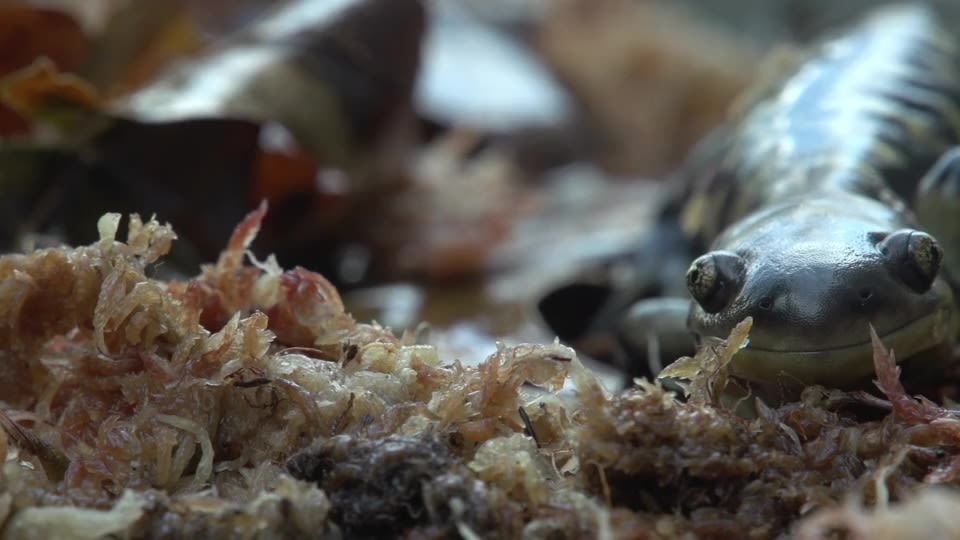
Name The Largest, Terrestrial, Amphibian, Of Its Kind In The World, Located Across The USA? (Scroll Down For Answer)
The Tiger Salamander !(Ambystoma tigrinum)
Fun Fact: Known to be cannibalistic, if food is minimal or habitat is overcrowded
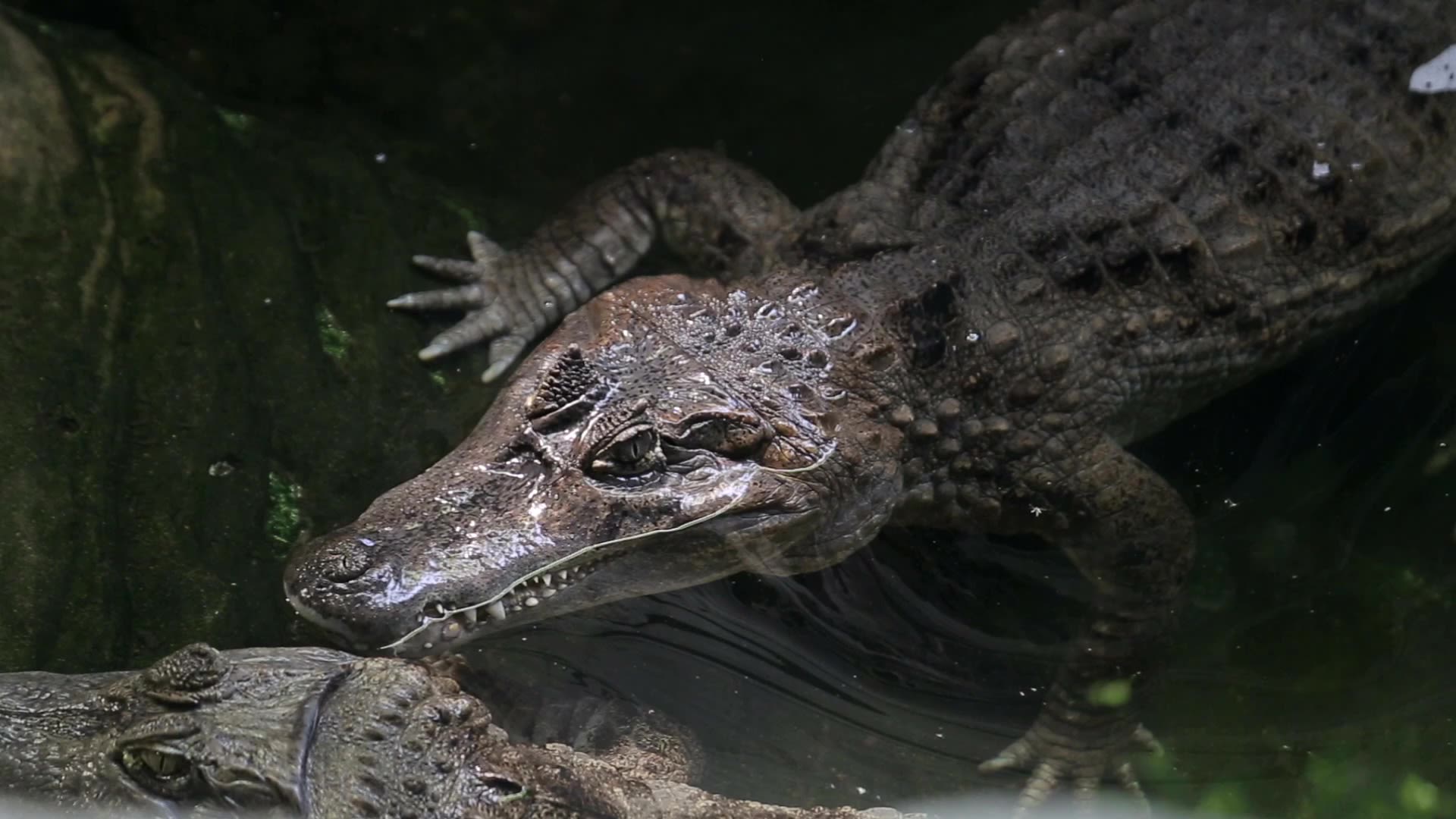
Name The Largest Living, Of Its Kind, Reptile? (Scroll Down For Answer)
The American Alligator !(Alligator mississippiensis)
Fun Facts: Loses around 2,000 to 3,000 teeth in its lifetime and can stay underwater for around 2 hours.
A Herpetile To Care For
by Scott Lockhart
It can be a hard and life-changing decision to adopt and care-for a particular scaly or moist-skinned friend.
Luckily, there are simple ways to uncoil this complex thought-process and we will list them, in some kind of order, here for you!
1. Find Your Passion
A perfect way to start the journey is to think about what makes you excited about the herpetile world.
Perhaps, there is a positive childhood memory that involves interacting with them through your parents, or other family members, at a Zoo or herpetile park.
Maybe you encountered one on a camping trip or out walking in the forest. Whatever puts fire in your belly, use it.
To start a herpetile husbandry path, is the appreciation, love and care of another organism.
2. Think About Family
Now that you have a memory unlocked, it is time to delve deeper into the reasoning behind care.
Herpetiles are made up of crocodiles/alligators, snakes, lizards, turtles/tortoises, frogs/toads, newts and salamanders.
A lot of choice, but husbandry needs are different for each species.
Venomous species of snake might be out of the question due to licensing issues and availability or homing large monitor lizards that need a lot of space.
Crocodiles/alligators would be the same situation, as the monitor lizard, with added special requirements.
Start off small and choose manageable species that don't need a huge amount of space.
A Fire-Bellied Toad grows up to around 6cm , for example, and requires a 30cm by 30cm bioactive space to feel properly enriched.
Fire-Bellied Toad (Bombina Orientalis) ex-situ
Fire-Bellied Toad (Bombina Orientalis) ex-situ
3. Research
Time to read, read and read.
Go to your local library, zoo and pet stores to gather knowledge behind your critter's husbandry.
The more you gain, the better care will be given to your final choice.
It is the perfect moment here also, to ask the experts about your chosen herpetile and note down anything new.
If you know of your friends or family that have the animal already or have some knowledge then ask them to help.
Online materials are also an option but may be less reliable than picking up a book.
Youtube videos or online magazines may give more effective insight into care if you are a visual learner.
Social media, such as Facebook, hosts many groups that you can follow and ask fellow humans about your chosen species.
4. Lifetime Decisions
During your research, you would hopefully have noticed the long lifespans of certain herpetiles
Touching on the earlier example, Fire-Bellied Toads can live up to 10 to 15 years!
It is a factor to consider, as there may be a time where you will have to pass on your inhabitants to the younger generation.
Also, it is the old clichè: 'not just for christmas' that rings true here.
We are choosing a friend that will be with us for a long, long time.
5. Budget
You know which species you are enthusiastic about and have done extensive research to properly understand the care required.
It is time to consider the costs before entering this worthwhile cause.
To give proper care and responsibility, you will have to dig deep into your pockets, your bank account will take a hit.
Hundreds of British Pounds should be the amount you are spending on most herpetiles and their husbandry needs.
Prices can lower depending on how old, wild caught and how rare an individual is. Take a quick scour over morphmarket for a likely price range.
Next to affect the purse-strings are:
Home; supportive cabinet; substrate; UVB lighting; thermostat; digital timer; small fans; hardscape (cork bark, rocks etc); plastic or live plants; heating materials; live, dead or fresh food; reptile food supplements; water conditioner; extension cord(s); disinfectant reptile-safe spray; temperature gun; hygrometer (humidity checker) and water mister.
All can be afforded, but will again rack up to at least a hundred pounds altogether.
It may be worth searching social media for any sellers promoting their discounted wares online.
Those mentioned are the minimum equipment required and do not take into account any DIY tools that you would need to make a bioactive environment or waterfall feature, for example.
6. Finding The Right Home
Housing a herpetile should not be taken lightly. Bigger is better in most, if not all, cases.
A herpetile should be able to move around without a struggle (some may like confined spaces but it is best to give them the option to move around with ease).
Tall and low enclosures aim to suit different species but you may find out that some will utilise both, so again have both available to provide enrichment.
Wooden, plastic, mesh and glass vivariums are available, again dependent on the species' care requirements.
Wooden and mesh = arid or desert species primarily.
Plastic and Glass = Tropical, land and water (Paludarium) or desert conditions.
Wood and mesh are cheaper but will require a lot of modifications before it can be made for a tropical species.
7. Resources
Getting your shopping all in one place would be ideal but it rarely happens.
There are options of either buying online or physically going to retrieve all you need to build a habitat.
Online would be my go-to tool for getting everything herpetile related but it is harder to judge when they will all be arriving at.
You can have success adopting a herpetile from an online source but it would possibly cost more than going to a reputable shop, if there are any in your area.
Physically visualising the enclosure and discussing your herpetile/build ideas with an expert in the shop might provide a breakthrough (or a further headache).
They can give you recommendations then you can go away and have time to think on what's the best the way forward.
8. Plan Now
Before introducing your new scute-driven friend to their new habitat, you will need to prepare and plan ahead.
The conditions need to be perfect i.e disinfecting all surfaces and objects within their habitat.
Correct temperatures and humidity will require tweaking before introducing a herpetile also.
Hardscape, cork bark branches and basking rocks for example, need to be placed in practical and aesthetic ways for herpetile happiness and health.
Changing their positions after a certain time can be beneficial for enrichment of the animals.
9. Pick a Place
Get out your measuring tape, it is time to locate an ideal place to position your home in a home.
Again, ample space is required with plug sockets nearby or at least an extension to a power point.
A cabinet would help a lot here in hiding the wires, making the set-up look neater.
It might be worth identifying the warmest room in your house or flat to help keep temperatures constant.
Letting natural light in from a nearby window may also be worth deliberating to mimic a daylight cycle.
Storing supplies can be done also if you have a space big enough for another cabinet.
If not, then any sturdy table will be suitable for enclosure positioning. Ikea have a lot of reasonably priced tables to choose from.
10. Find A Seller
Last, but not least, is finding a reputable seller to adopt your new friend from.
There are a range of sources to use in order to find such a person. Phone calls to your local exotic store or rescue centre may hold the solution you require.
It is a good way to reach out and get friendly with your local community and they will be legally allowed to sell animals and be subject to yearly inspections so the standards should be high.
Not always the case though, read an adverse side to Edinburgh's herpetile high street here.
Online, again, may hold the winning trump card. Reputable outlets such as Reptco and Aqua Group ship herpetiles in safe conditions and ask for proof of suitable abode on purchase.
This is a responsible way of adopting a new companion. They may have a bigger selection of livestock along with any supplies that you may need.
At the end of the day, looking for small clues of reputable selling like evidence in licensing, positive reviews on TrustPilot UK and even a professional website will hopefully show the heroes from the zeros.
This Month's Chosen Herping Adventure
Expedition Borneo, November 2026 - Kota Kinabalu to Ranau
Match The Herpetile With Their Husbandry Fact!
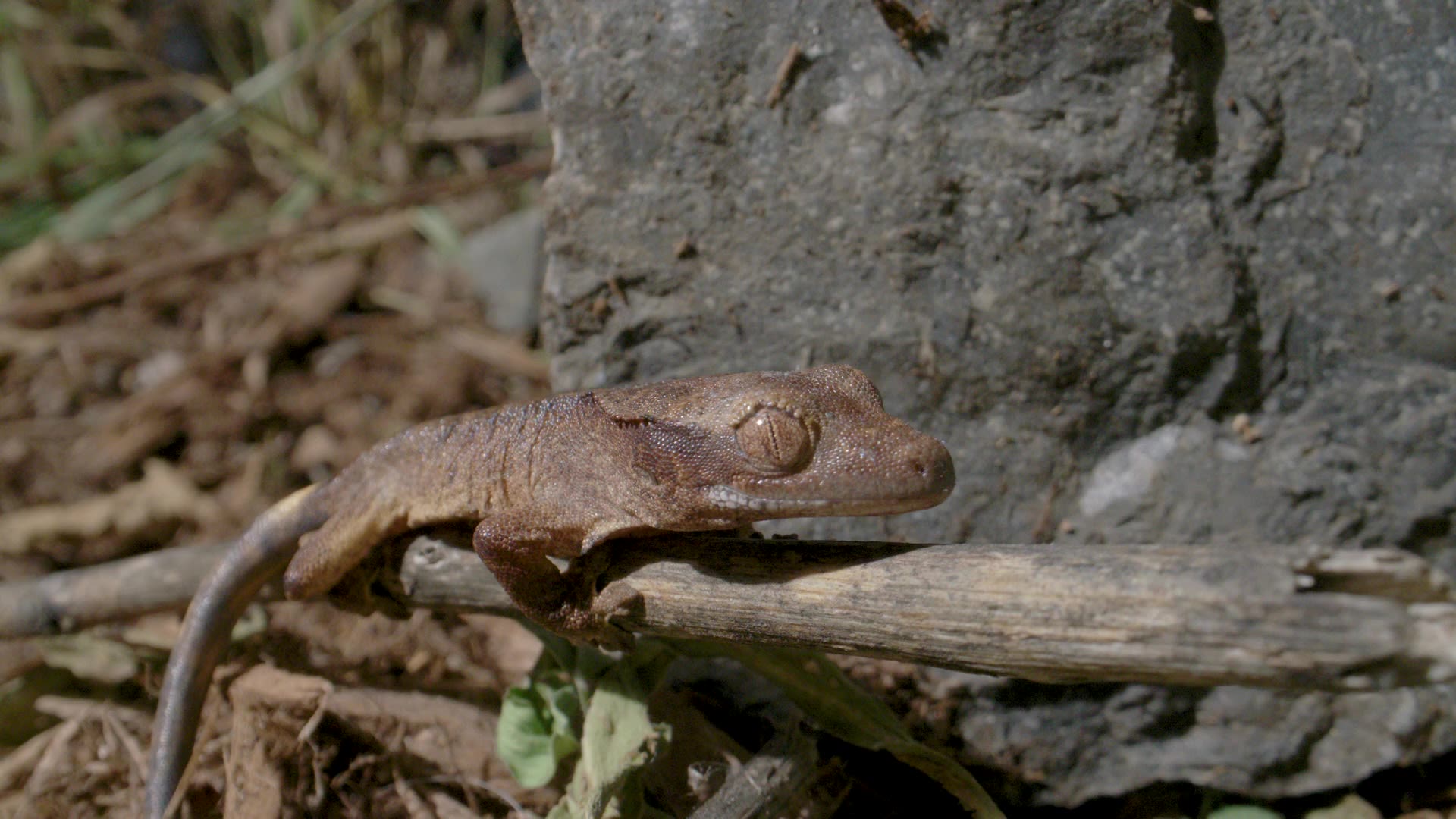
Which Eye-Lash Fringed, Arboreal Lizard Needs Husbandry Daytime Temperatures of 22-26°C and Nighttime Temps of 18-21°C? (Scroll Down To Reveal The Answer)
The Crested Gecko!
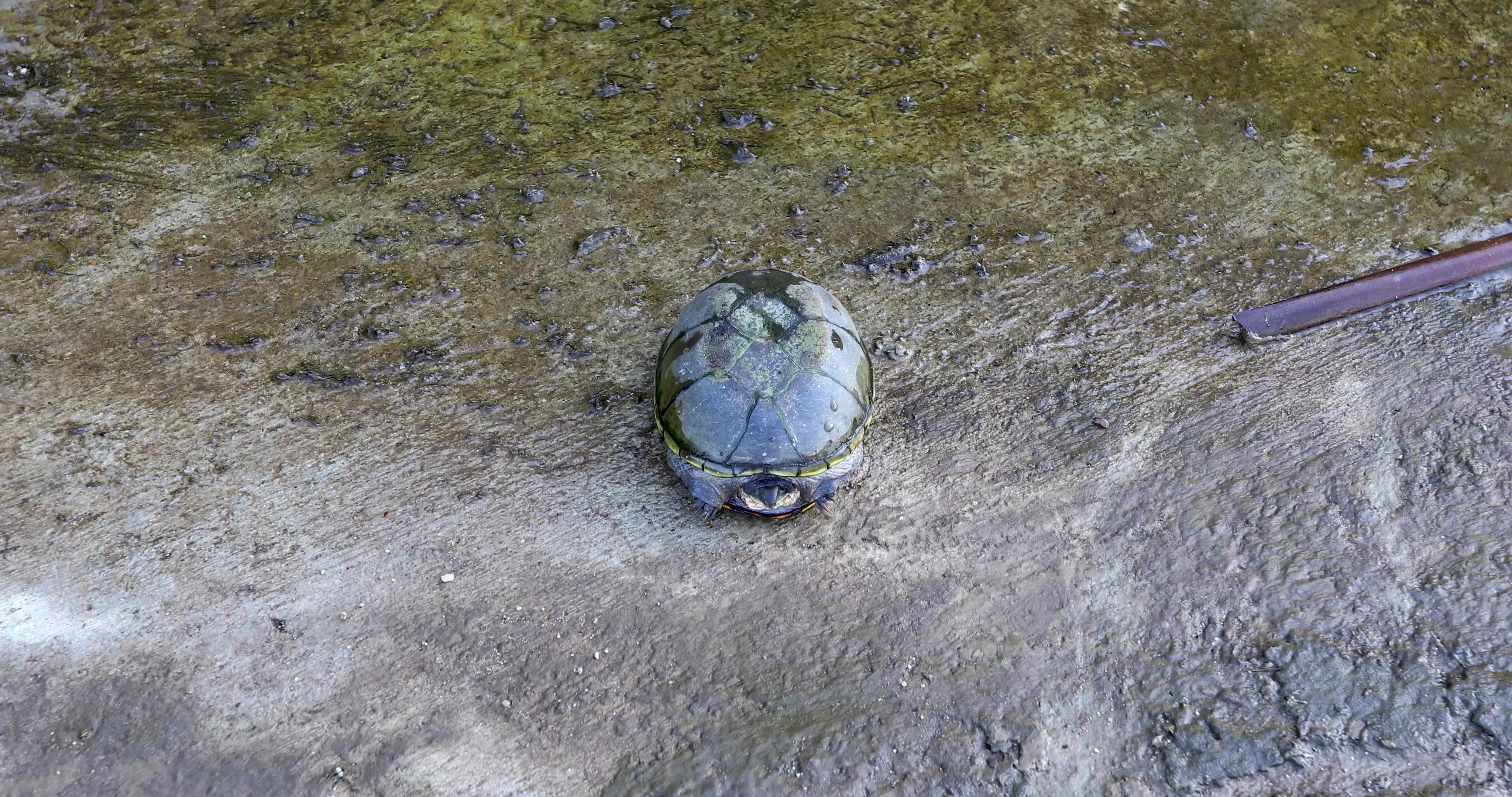
Name one of the smallest, fully aquatic turtle that requires 30cm of water and feeds on meat and vegetables? (Scroll to uncover answer)
The Common Musk Turtle(Sternotherus odoratus)
Name the ambush predator that needs around 6 inches of substrate to dig into as an adult?
Pacman Frog! (Ceratophrys cranwelli)
Name our scale-laden friend that grows up to 25 centimetres and requires a day time humidity level of 70%?
Emerald Tree Skink! (Lamprolepis smaragdina)
Safety In Numbers
A critically endangered frog has been given a population recount, within its native presence in the Central Highlands of Madagascar.
The William's bright-eyed frog Boophis williamsi is endemic to this region and has been subjected to "ongoing threats of deforestation and fire".
A study by Rebecca De Salem E. Fanomezantsoa, Nirhy H.C. Rabibisoa, Sam Hyde Roberts & Devin A. Edmonds in 2018, 2019 and 2020, has given an insight into the size and habitat of this extinct-pending amphibian.
As with most research, if not all, in herpetological conservation, the results take time to be released - we have them now.
10 sites in a 4km range were surveyed in the Madagascan Highlands.
Within this location, their habitats ranged from 'forest edge' to 'savanna'.
Substrate, climate and sex were also recorded for each finding.
December was the highest count period for frogs due to the start of the rainy season.
546 tadpoles and 95 frogs were found along water streams.
"Of the frogs, 42 were classified as immature and 53 as adults (32 males, 14 females and 7 undetermined sex)."
There has been growth of populations due to previous conservation efforts over the last 10-15 years in this area.
Despite the abundance within this small location, there still needs to be further protection work and research done to aid the survival of this small critter.
"Amphibians are among the most threatened vertebrates, yet many species lack the ecological and demographic data needed to implement effective conservation measures, especially in tropical regions."
Humans have the ability to either destroy or protect.
What number are we aiming for in order for us to stop conserving this frog species?
On the other hand, where does the curtain draw on continually wiping out trees for human-made infrastructure?
Growth can be positive but it can also be adversely detrimental to our satisfaction of the current situation - what conflict will growth incur?


AMPHITILIA
Subscribe now for updates of future issues and exclusive access to the world where herpetile husbandry, welfare and research thrives.
AMPHITILIA is a cutting-edge interactive platform for all things reptile and amphibian in the global sphere. Shedding new perspectives of love for these animals. Tame our initial apprehension for these misunderstood creatures and their prey. Provide good husbandry, they deserve. All backed up by croaking calls to the experts, to get their vital insight, our experience of animal care and our extensive research into each subject area.
Editor-in-Chief: Scott Lockhart
Contributing writers: Scott Lockhart
Art Director: Scott Lockhart
 Built with Shorthand